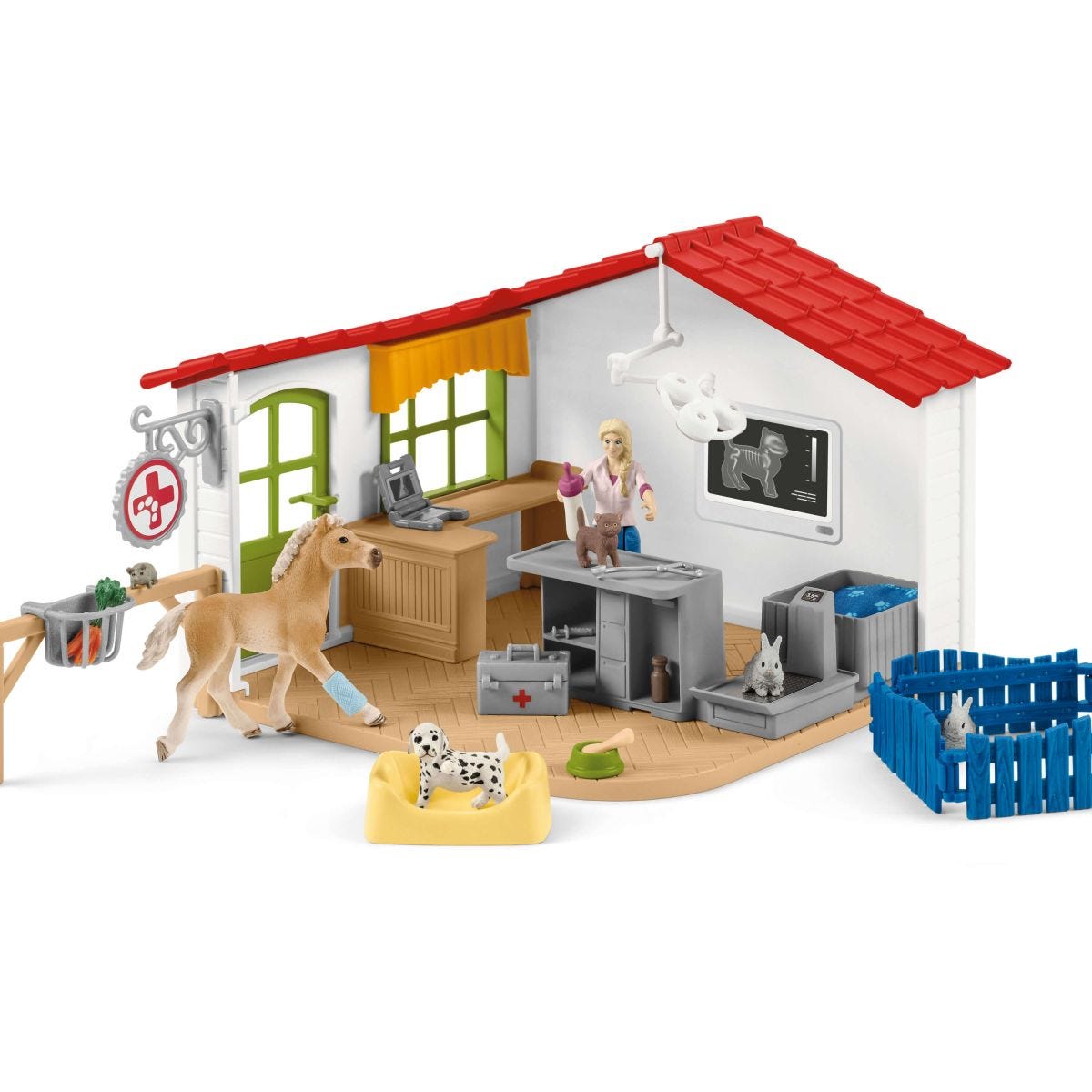
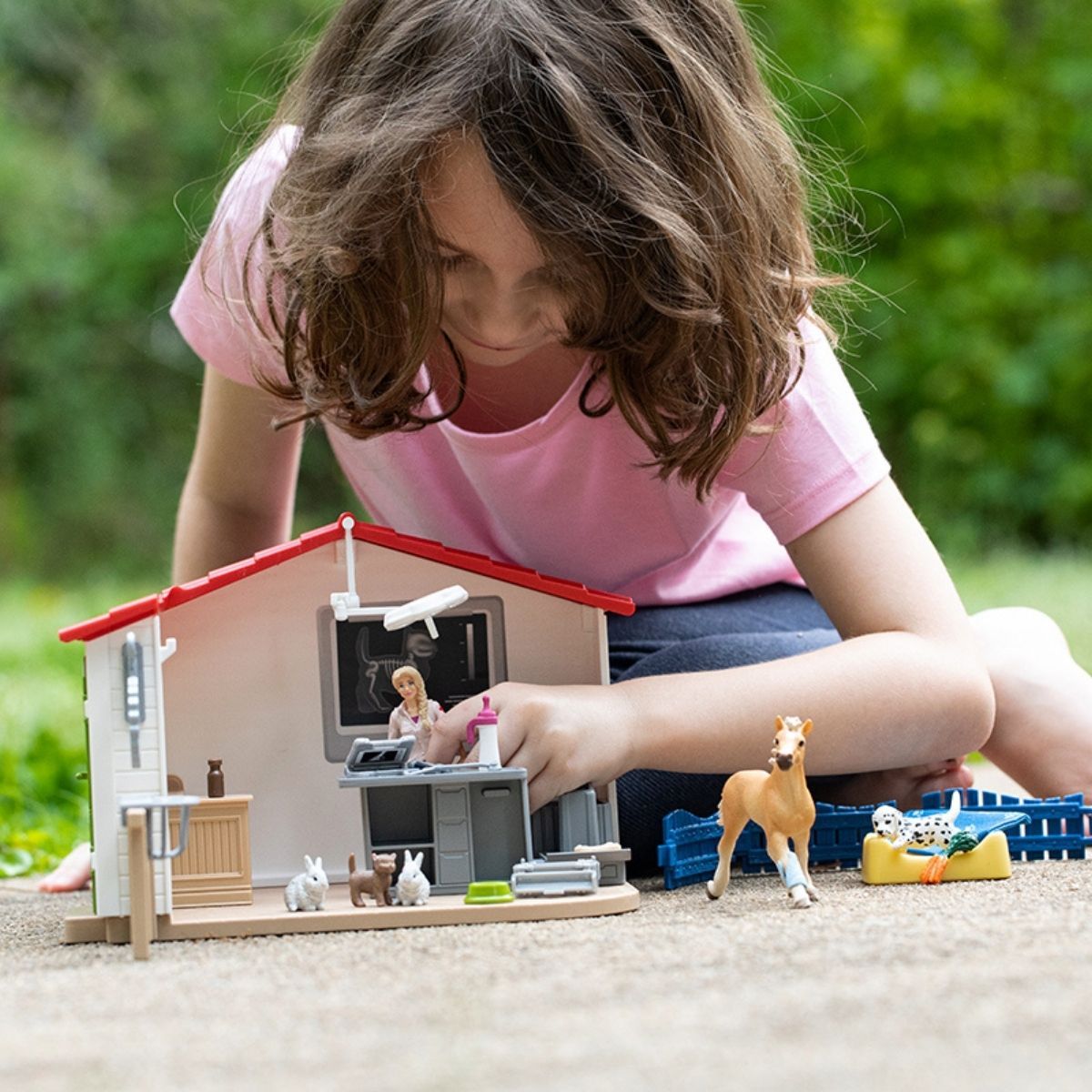
Caring for others is one of the most powerful ways young children learn empathy. Animal Care Center Role Play invites preschoolers to step into nurturing roles—helping animals, responding to “emergencies,” and making sure every creature is safe, fed, and loved.
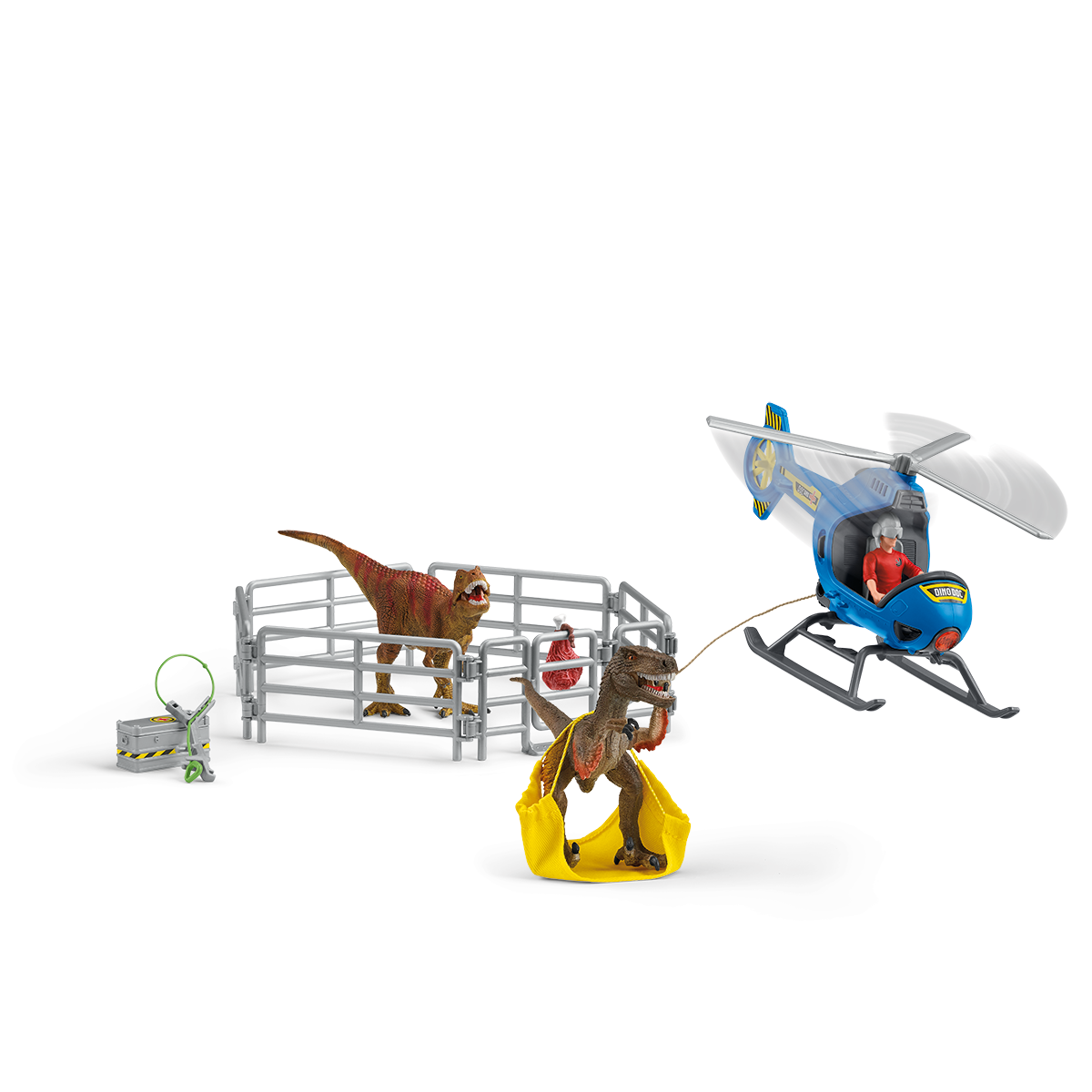
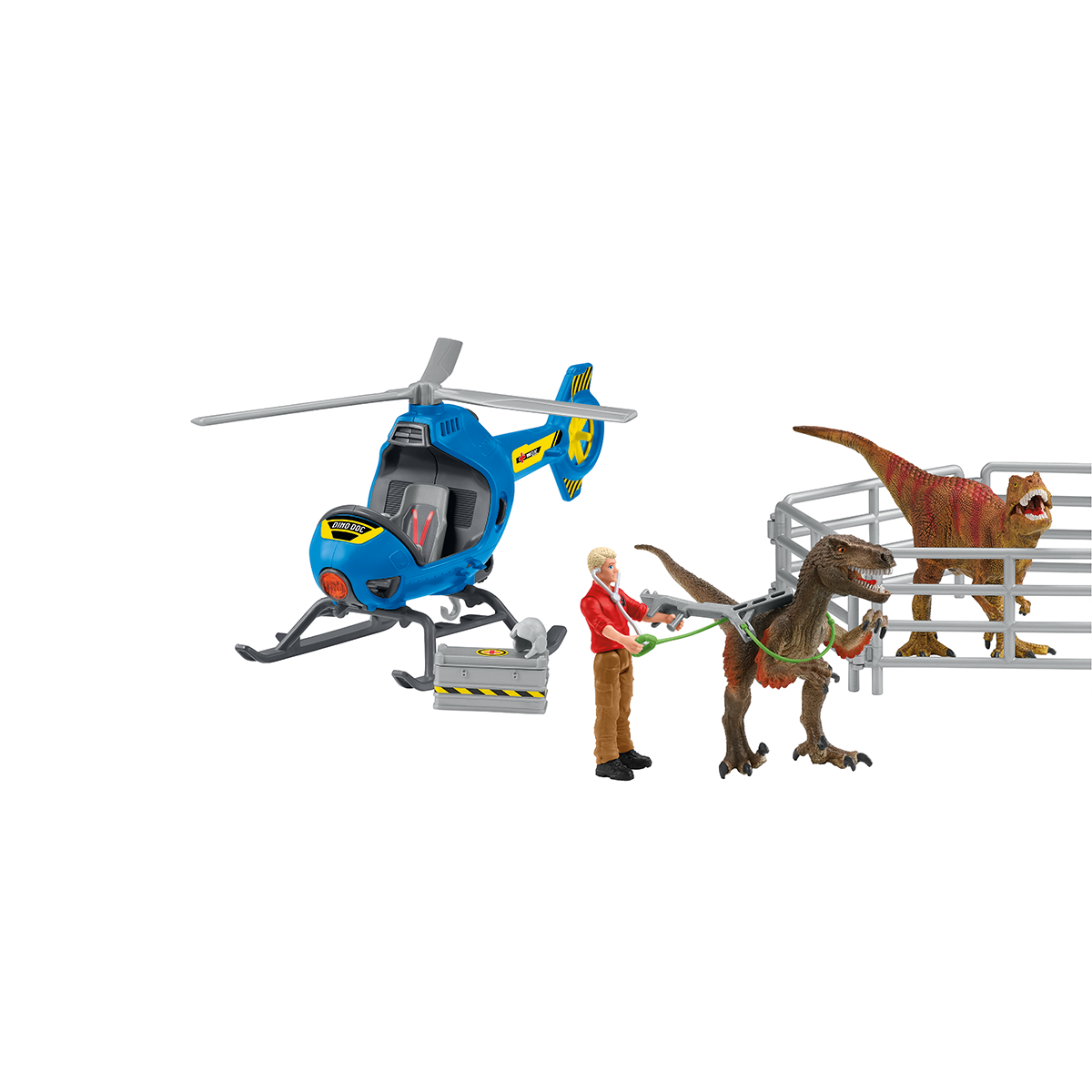
Using schleich® veterinarian and rescue playsets, children act out real-world caregiving scenarios that build compassion, communication, and confidence through imaginative play.
What Is Animal Care Center Role Play?
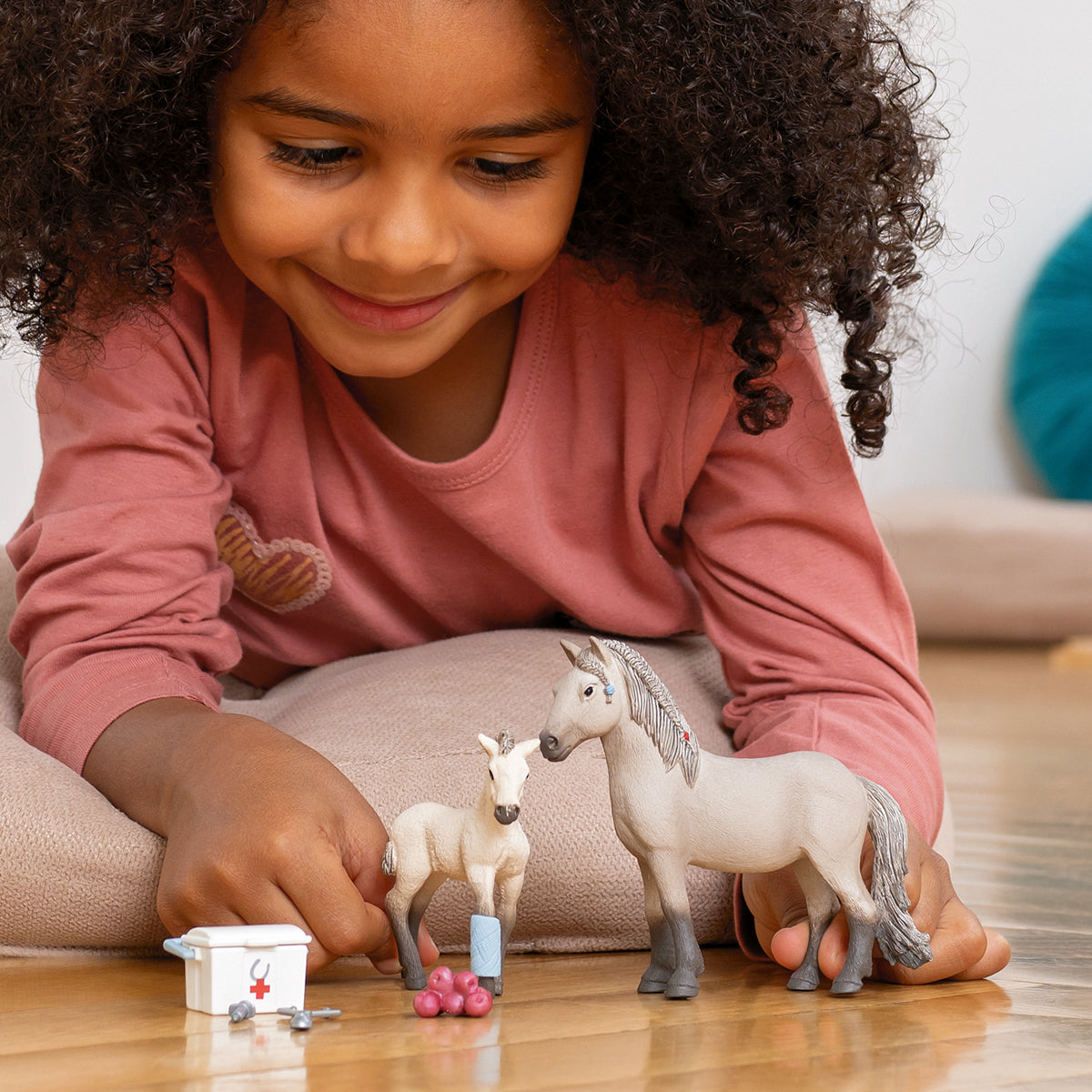
This activity transforms playtime into a caring environment where children take responsibility for animals in need. Whether they’re helping a sick animal feel better, feeding a baby animal, or rescuing wildlife, kids practice kindness and emotional awareness in every interaction.
The combination of realistic figurines and caregiving scenarios helps children connect actions with feelings—an essential part of early social-emotional development.
How to Set Up the Activity

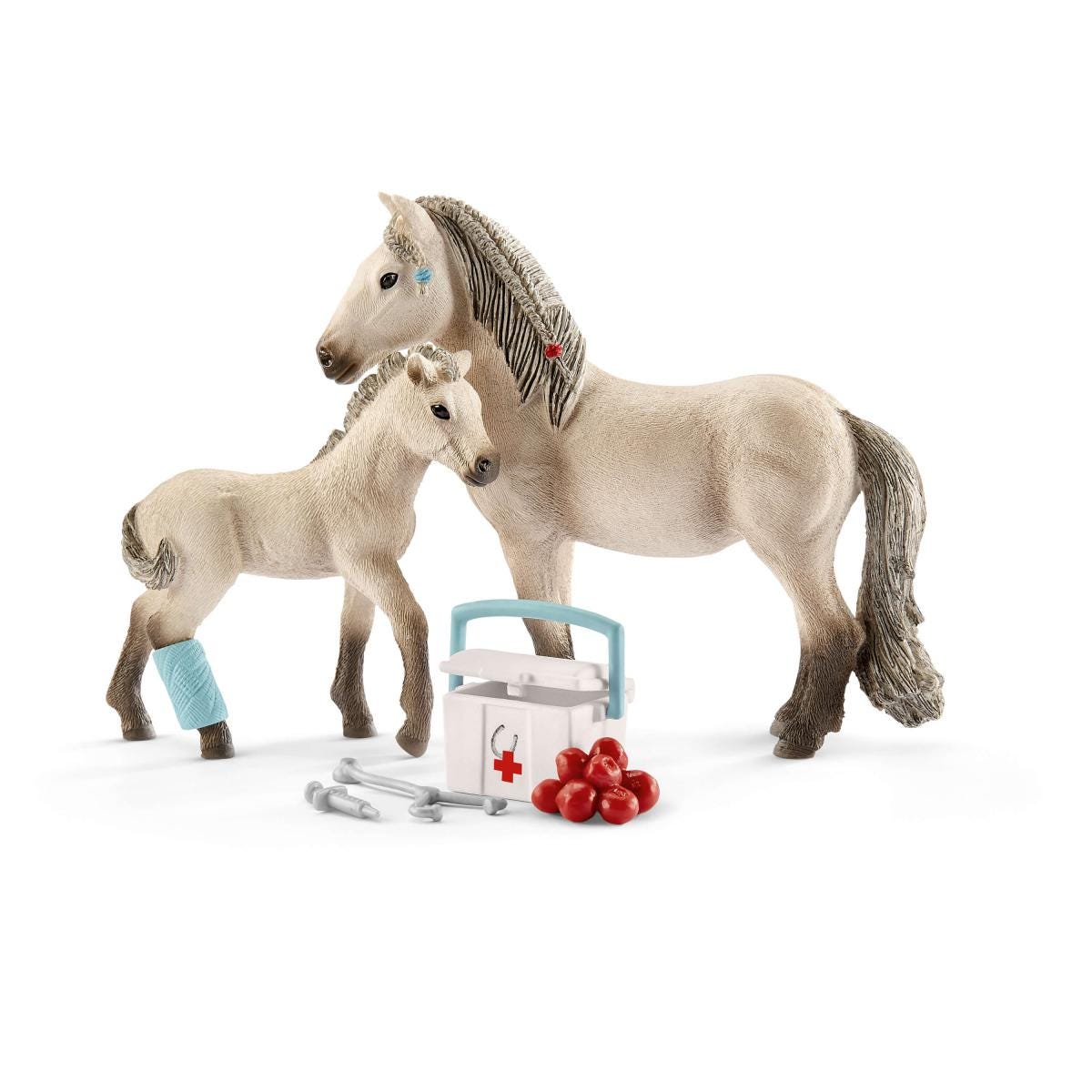
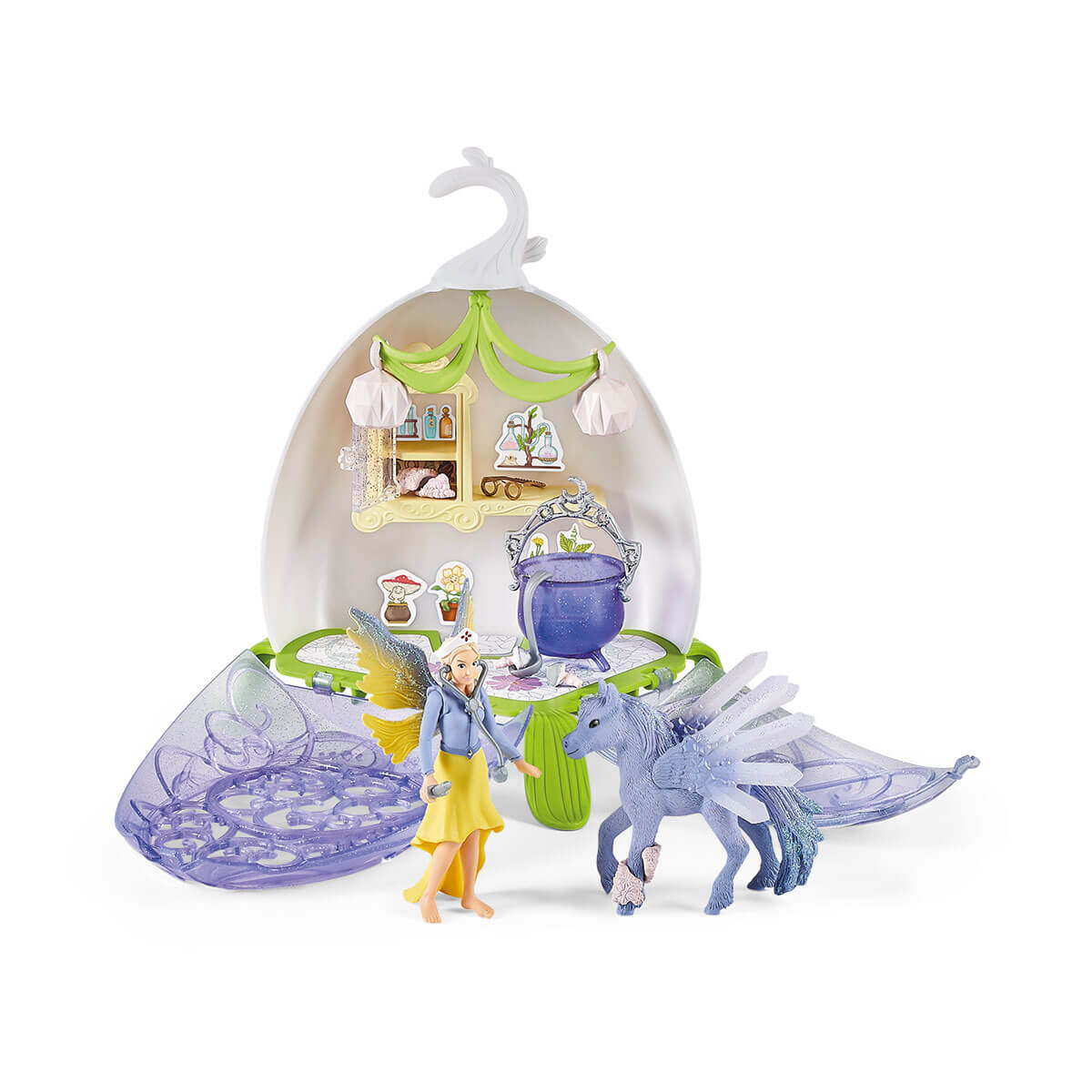
- Gather Caregiving Sets: Use playsets like the Veterinarian Practice with Pets, Animal Rescue Helicopter, and Caring for Baby Animals Set.
- Create Care Stations: Set up different areas like a “vet clinic,” a “rescue zone,” and a “nursery” for baby animals using tables, bins, or floor space.
- Assign Roles: Children can take on roles such as veterinarian, rescuer, or animal caretaker.
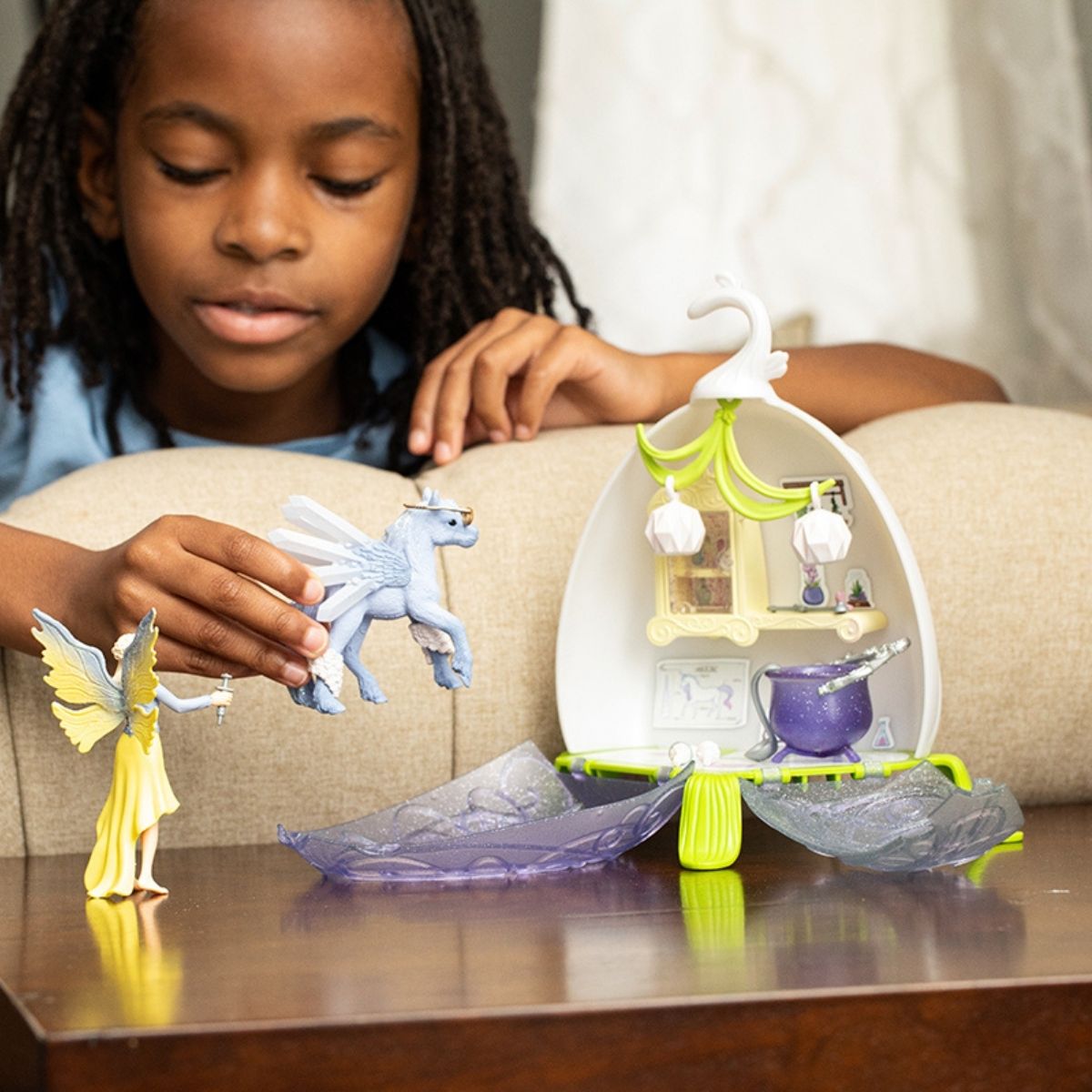
- Start the Care Routine: Encourage kids to check on animals, provide food, help injured animals, and make sure everyone is safe and comfortable.
Learning Through Play

Caregiving role play helps children understand emotions, build relationships, and practice responsibility.
- Build Empathy: Ask how an animal might feel if it’s hurt, hungry, or scared—and what can help it feel better.
- Practice Communication: Encourage children to talk through what they are doing and why, building language and social skills.
- Develop Responsibility: Assign simple “care tasks” like feeding, checking, or comforting animals.
Introduce Gentle Challenges

Once children are comfortable, introduce simple caregiving scenarios to guide their play.
- Rescue Mission: An animal needs help—how can the rescue team bring it to safety?
- Vet Visit: A pet isn’t feeling well. What steps does the veterinarian take to help?
- Baby Animal Care: A young animal needs food, warmth, and comfort. What does it need first?
Extend the Caregiving Experience

- Create Care Tools: Use small containers, cloths, or paper items as pretend food, blankets, or medical tools.
- Daily Care Routine: Build a simple routine like feeding time, check-ups, and rest time.
- Story-Based Play: Encourage children to create ongoing stories about the animals and how they help them each day.
Why Kids Love This Activity
Animal Care Center Role Play gives children a chance to nurture and help, which naturally builds empathy and confidence. The realistic schleich® playsets make the experience feel meaningful, allowing kids to act out real-life caregiving roles in a playful, safe way.
Wrap Up
With veterinarian tools, rescue vehicles, and baby animal sets, children can explore what it means to care for others. Activities like this turn play into a powerful learning experience—helping kids grow socially, emotionally, and creatively through every act of kindness.